
Oral rehabilitation
Fixed prosthetics: new teeth that stay in place
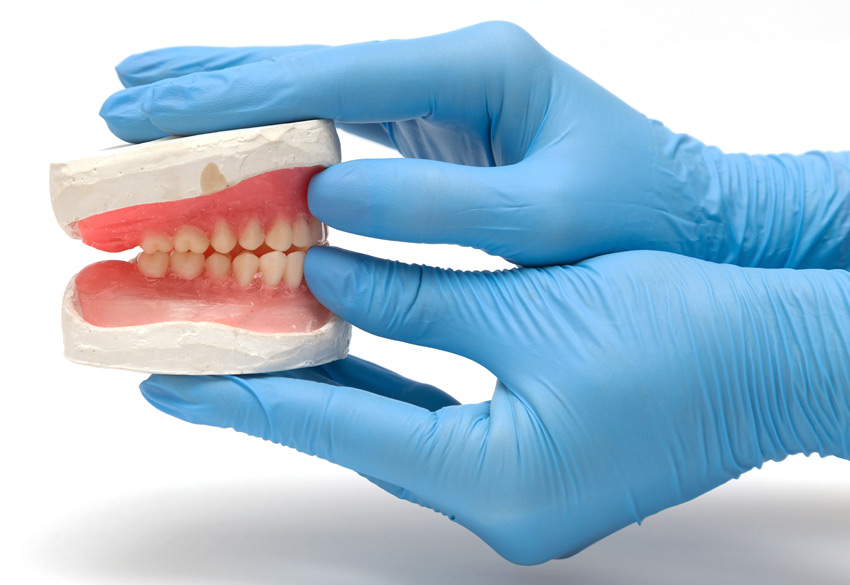
A fixed prosthesis is a piece custom-made for your mouth that replaces one or more lost teeth. Unlike removable prosthetics, it is cemented or screwed in place and only the dentist can remove it.
They are made of materials such as metal-ceramic, porcelain or ceramic, and they imitate the color and shape of your natural teeth and gums, so no one will notice the difference.
Types of fixed prosthetics
Which one is ideal for you?
A crown is an individual “cap” that completely covers a previously prepared tooth. It is designed to match the color and shape of the rest of your teeth.
There are two main types: metal-ceramic and all-ceramic. With our CAD/CAM technology we can make ceramic crowns in a single appointment.
A crown is usually recommended to:
- Replace a large restoration when little tooth remains
- Keep a weakened tooth from fracturing
- Repair a fractured tooth
- Support a bridge
- Cover a dental implant
- Cover a discolored or misshapen tooth
A bridge replaces one or more lost teeth and consists of at least 3 joined units.
The end units (retainers) are cemented onto your natural teeth, which act as abutments. The middle units (pontics) fill the space of the missing teeth.
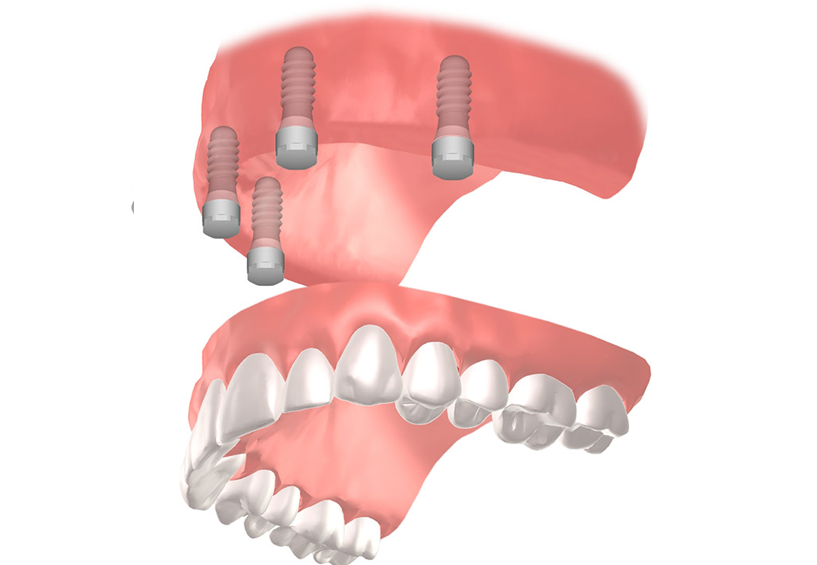
This is a full prosthesis screwed onto 4, 6 or 8 implants, with a computer-designed metal framework, artificial pink gum and cosmetic teeth.
Its great advantage: it does not move, needs no adhesives and, in time, you will forget they are not your natural teeth. You fully recover the appearance and function of your mouth.
Who needs one?
Prosthetics are not just for older adults
Anyone can lose one or more teeth due to an accident, a blow or a disease: children who fall, teenagers who play sports, adults with advanced cavities.
Every case is different, so we design the prosthesis according to each patient’s real needs.
Step by step
What is the procedure like?
1. Diagnosis
We examine the entire structure of your mouth and take an impression (or digital scan) of your bite to define the measurements and position of the new pieces.
2. Choice of material
The material is chosen according to your case, possible allergies and medical history. The time required depends on whether the prosthesis is partial or complete.
3. Adaptation
During the first few days it is normal for the prosthesis to feel strange. Almost everyone speaks normally right away; when chewing, start with soft foods while you adapt.
Care
How do you care for your dental prosthesis?
Frequently asked questions
You may also be interested in