
Root canal treatment
Eliminate the pain and keep your natural tooth
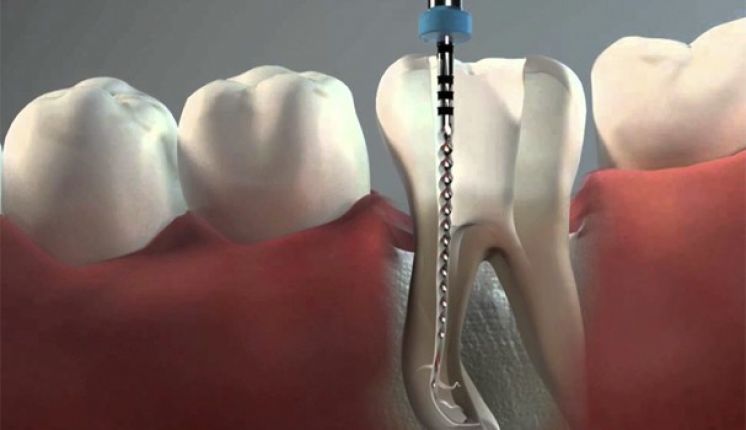
Endodontics consists of removing the dental pulp, the tissue in the center of the tooth that contains the nerve. When the pulp is damaged or infected, it is removed; the canal is then cleaned, shaped and completely sealed.
Thanks to endodontics it is possible to save a tooth that would otherwise have to be extracted.
Causes
Why is a root canal needed?
Deep cavities
This is the most common cause: the cavity reaches the nerve and the tooth becomes infected.
Blows and trauma
A hard blow can injure the pulp, even if the tooth does not look broken.
Wear
Erosion, abrasion or constant grinding between teeth (bruxism) can damage the pulp.

Symptoms
When is a root canal recommended?
Symptoms vary depending on how deep the cavity is: from mild discomfort to intense pain with an abscess and fever. The closer the cavity is to the nerve, the stronger the symptoms. Pay attention if you notice:
Everyone can experience symptoms differently. If you notice any of them, visit us soon for a diagnosis before the problem gets worse.
Step by step
How is a root canal done?
- We apply local anesthesia so you feel no pain.
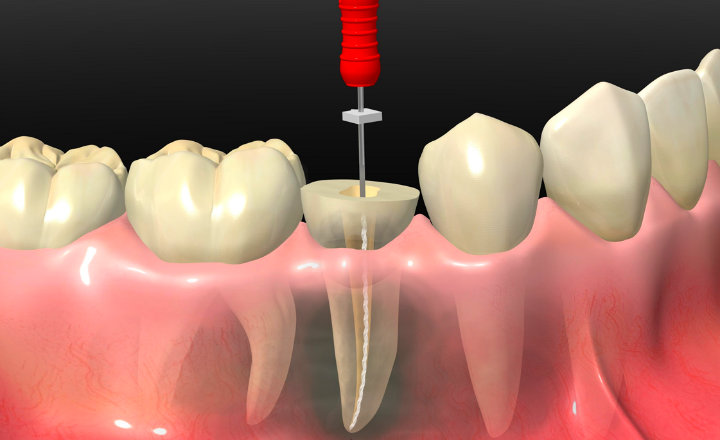
- We isolate the tooth and make a small opening to reach the pulp.
- We remove the damaged tissue and clean and disinfect the canals.
- We fill and seal the canals.
- We place a temporary restoration and, later, the permanent one (resin or crown).
After treatment
Care after a root canal
These tips will help you heal faster.
As the anesthesia wears off you will feel tingling in the tooth, lips and tongue. It can last up to 3 hours: avoid eating during that time so you do not bite yourself by accident.
You may then have some discomfort or sensitivity; take the medications your dentist prescribed.
The tooth is left with a temporary filling that lasts approximately 1 to 2 weeks, until its permanent restoration.
For the first few days avoid chewing on that side and do not eat hard or sticky foods, to prevent fractures.
Brush as usual, 3 times a day after each meal. Floss carefully near the treated tooth, as you could dislodge the temporary restoration.
Once you have the permanent restoration, you can floss normally.
There may be some discomfort or sensitivity during the first few days, especially if there was an infection before treatment. It is temporary and responds well to pain relievers.
If you were prescribed antibiotics, take them for the full time indicated, even if you no longer feel any discomfort.
Frequently asked questions
You may also be interested in